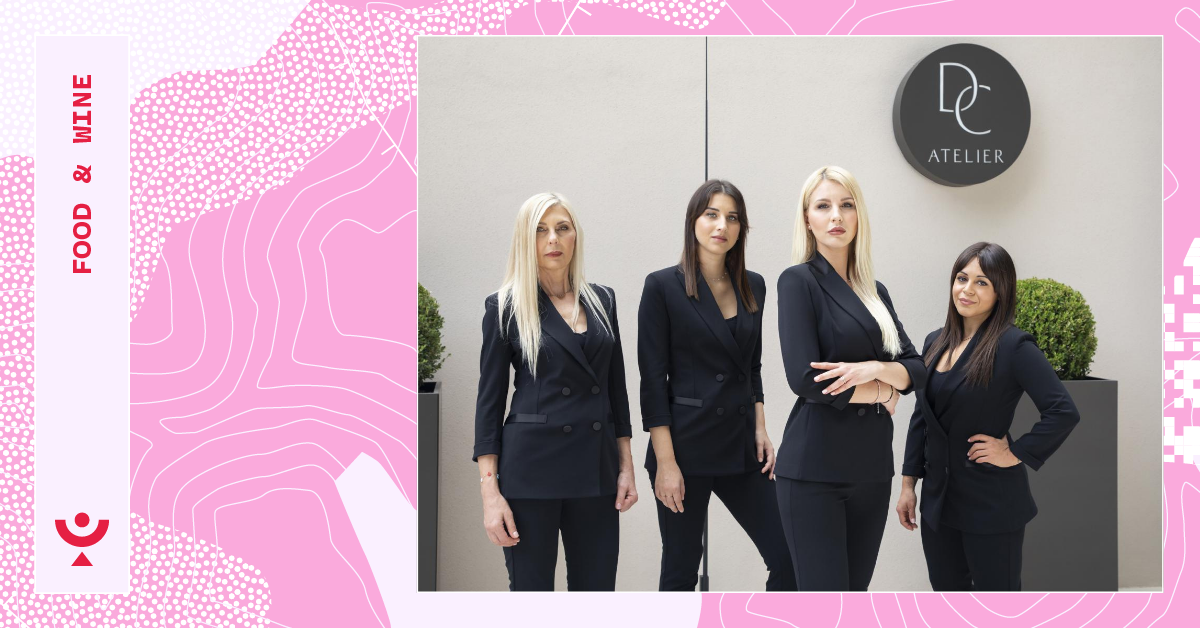
In the Food & Wine Tourism program at BTO 2026, one of the topics we’ll be addressing is thethe intersection of hospitality and the restaurant industry, where we will explore new synergies and collaborations between Horeca brands and hospitality establishments that are redefining the guest experience and business models.
The line between hospitality and the restaurant industry has never been so blurred. Today, the hotel industry no longer views the food & beverage sector as merely an ancillary service or an in-house amenity, but rather transforms it into the primary driver of positioning, reputation, and guest attraction. At the same time, brands in the hospitality and fine dining sectors find in hotels and resorts a prime platform to amplify their brand narrative, diversify their revenue streams, and reach an international audience.
From collaborations between major hotels and masters of contemporary pastry arts, to the integration of historic, iconic trattorias into regional hospitality itineraries, to the complex management of food and beverage operations in the luxury hotel sector: strategic partnerships are redefining both business models and guests’ perception of value.
Through the firsthand accounts of those involved, we will explore:
- Collaboration and Governance Models: How to Build a Sustainable Agreement Between Third-Party Brands and Hotels (direct management, consulting, co-branding, licensing, or temporary experiences).
- The balance between identity and cultural exchange: maintaining the consistency of the culinary brand’s DNA while integrating it into the rigorous service standards of the hospitality industry.
- Impact on revenue and target audience: attracting not only guests staying at the hotel but also local customers (local catchment), transforming the hotel’s spaces into landmarks open to the destination.
- Guest Experience: Rethinking dining experiences—from breakfast to fine dining, from the bar to the tea room—as key differentiators for building loyalty and storytelling.
We asked Chiara Maggenti, General Manager of Atelier Damiano Carrara, who will be our speaker in Florence. Her analysis begins with major international examples of brand extension and the blending of different worlds, drawing lessons that can be applied to the hospitality industry.
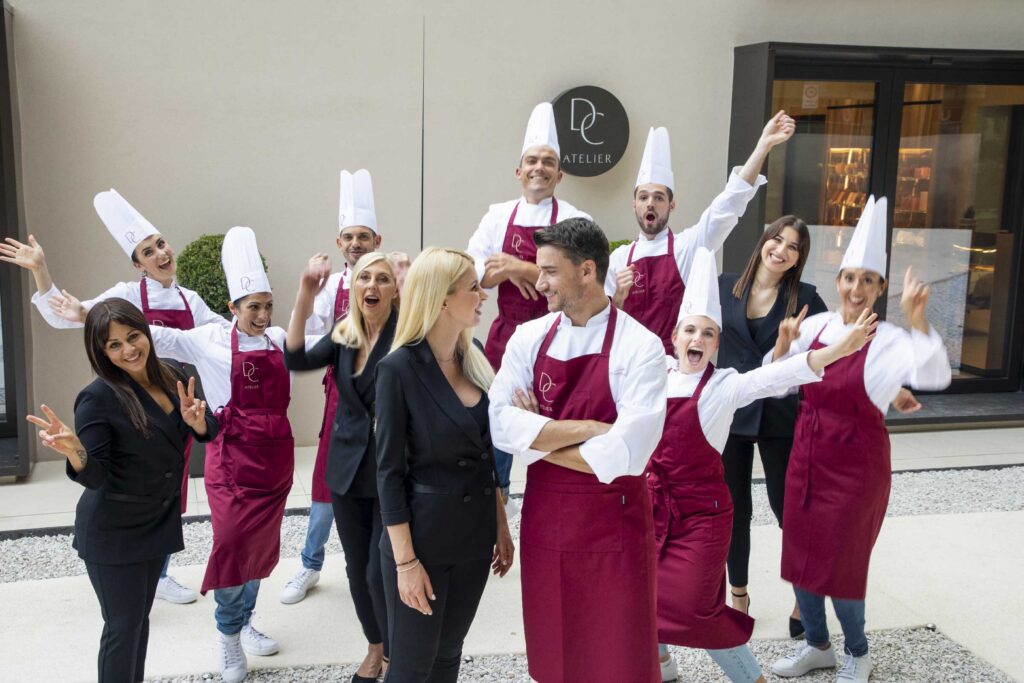
“In my role, I am responsible for the development and positioning of the brand and the company Atelier Damiano Carrara, with a particular focus on ensuring consistency between identity, product, and experience.
Partly out of professional habit, when I travel I enjoy observing concepts and formats that are capable of building a strong, recognizable identity. I’m particularly interested in seeing what happens when a brand decides to step outside its traditional boundaries and engage with different worlds, such as hospitality or the restaurant industry.
In London, for example, I found the Prada Caffè at Harrods particularly interesting. A fashion house enters the world of dining without simply attaching its name to a venue: it brings with it a distinct aesthetic, which we see in the space, the design, the table setting, the service, and, of course, the culinary offerings. The customer isn’t simply having a coffee or coming into contact with Prada—they’re enjoying a new experience, born from the convergence of the brand’s universe and that of an iconic venue like Harrods.
In Tokyo, on the other hand, I was impressed by Gucci Osteria by Massimo Bottura in Ginza. Here, too, a fashion house is expanding its universe through the restaurant industry, but with an additional element that I find very interesting: the dialogue with local culture. The project maintains a strong Italian identity while at the same time incorporating Japanese sensibilities. The result, therefore, is not simply a replica of a format, but an experience with its own distinct identity.
I believe this is precisely one of the strengths of the most successful collaborations: not only expanding a brand’s reach or reaching new audiences, but also creating a new experience for the customer.
When two entities with strong identities and different areas of expertise come together in the right way, the value of their collaboration goes beyond the sum of the individual brands. Something new is created—something that surprises the customer and allows them to engage with both brands in a way that’s different from the usual.
“For me, a partnership truly works when it manages to preserve the original identities of the brands involved while, at the same time, creating a third element: a new, authentic, and memorable experience. It is in this balance between recognizability, fusion, and surprise that I see the most compelling value of brand collaborations.”
The discussion on this topic will take place at BTO – Be Travel Onlife; the program will be available online shortly.
The article was edited by Roberta Milano, scientific coordinator of the Food & Wine Tourism topic, together with Carlo Vischi, a member of the BTO advisory board and moderator of the panel.
To get a sneak peek, read interviews with speakers, and stay up to date on the latest news, subscribe to the newsletter and register with the special Early Bird rate , which expires on October 15.
We look forward to seeing you in Florence on November 10 and 11, 2026.
